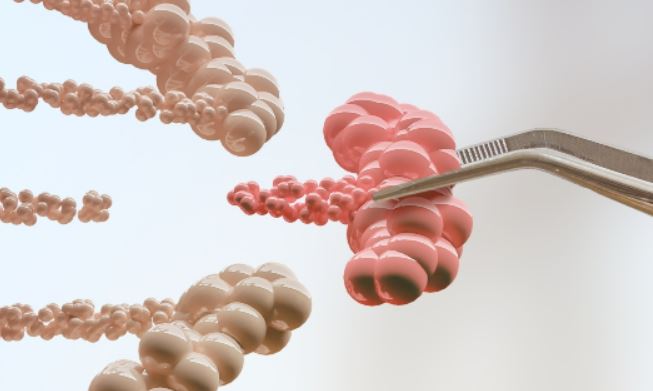
Lyfgenia changed the treatment landscape for sickle cell disease (SCD) when it was approved in December 2023. Instead of donor cells that risk rejection, Lyfgenia uses engineered versions of the patient’s own cells to produce normal adult hemoglobin.
But fewer than 10 pediatric centers in and around Texas offer Lyfgenia. Many hematology and oncology teams may be unaware of the steps and rigor necessary for this “one-time” gene therapy.
Children’s Health℠ became a Qualified Treatment Center (QTC) immediately after approval and has now completed treatment with two patients, with several more in the process. The first patient saw her hemoglobin S levels drop by half, from 88% to 36%.
“Our experience highlights what providers and patients can expect during and after treatment. The process is complex, but the results can be dramatic,” says Tiffany Simms-Waldrip, M.D., Pediatric Hematologist/Oncologist at Children's Health and Clinical Associate Professor at UT Southwestern.
Preoperative counseling prepared the family for a year-long process
The first Lyfgenia patient at Children’s Health entered the treatment queue at age 13, right after Lyfgenia was approved. She was diagnosed with sickle cell disease during her newborn screening and grew up experiencing multiple vaso-occlusive events each year, often in her extremities and lower back. By age 11, the patient was hospitalized every 1 to 2 months due to these events.
“The patient’s older brother had an allogeneic stem cell transplant for SCD years earlier. This patient did not have a matched sibling donor available, so a stem cell transplant was not a curative option. With Lyfgenia, the patient could utilize their own cells for treatment,” says Dr. Simms-Waldrip.
For the first several weeks, the team focused on preparing the patient and family for the long and active journey ahead. The patient met with multiple team members, including:
A gene therapy nurse coordinator, who explained the numerous steps, appointments and medications the family could expect.
A pediatric psychologist and social worker, who performed a psychosocial evaluation to gauge the resources and support available to the child and family.
Dr. Simms-Waldrip, who explained the treatment and timeline in detail.
“The entire treatment process spans about a year, and every appointment is important,” says Brooke Kemp, R.N., Gene Therapy Nurse Coordinator at Children's Health. “We make sure families know what they’re getting into and are able to commit.”
Cell collection: SCD sometimes hampered by single mobilizing agent
After insurance approval, the patient underwent 8 weeks of chronic blood transfusions to suppress their hemoglobin S level prior to stem cell collection.
Each stem cell collection consisted of approximately 4-5 hours of stem cell apheresis each day for 3 days. Cells from the first two days were sent for manufacturing, while Children’s Health retained the third as backup in case the manufactured cells failed to engraft. In total, this patient required three collection attempts to achieve the required cell dose for manufacturing.
“Currently, patients with SCD can receive only one mobilizing agent (Plerixafor) due to risks of red blood sickling with one of the more commonly used agents,” says Dr. Simms-Waldrip. Patients with other conditions, such as transfusion-dependent Beta Thalassemia, receive both plerixafor and Granulocyte Colony-Stimulating Factors (G-CSF) to release stem cells into the blood.
To overcome this limitation for sickle cell patients, Children’s Health has since optimized its collection process. The last two patients were able to meet the required cell dose after only one collection.
Infused cells engrafted at 18 days
The patient’s cells were ready 2 months after the final collection, and she was admitted in mid-November.
Conditioning chemotherapy: She received busulfan for 4 days. Common side effects of this chemotherapy include pancytopenia (low platelets, red blood cells and white blood cells) as well as nausea, emesis and mucositis (ulcerations throughout the gastrointestinal tract). To manage side effects, the team provided transfusions, antimicrobials, anti-nausea medication, red light therapy, pain medication and supplemental nutrition.
Infusion (day 0): Infusion was quick and uneventful, lasting only 30 minutes.
Engraftment (day 18): White blood cells typically recover around 3 weeks following gene therapy cell infusion. The patient’s white blood cells began to increase after 2 ½ weeks. Red blood cells and platelets followed.
Discharge (day 30): The patient met all discharge criteria, including absolute neutrophil count of 500 for 3 consecutive days, 2 days without blood or platelet transfusions, and the ability to eat, drink, and take medications orally.
The family practiced “rooming in” for 2 days prior to discharge. The patient required several medications, including an appetite stimulant, antacid, antimicrobials, antiemetics, and pain medication. The family took responsibility for requesting and administering medication at the right intervals, with oversight from nursing staff, to make sure they were ready to do so at home.
Back to school and unburdened by disease
Six months after discharge, the patient’s hemoglobin S level was down to 36%.
The patient has had no vaso-occlusive events since treatment. After 100 days without complications, the patient transitioned from the Cellular and Immunotherapy team back to monitoring through her hematologist.
Though the treatment journey was long, her parents noted that their daughter finished her medication and returned to school sooner than her brother had following his allogeneic transplant.
“She has joined the wrestling team at school and is enjoying doing things that a normal teenager would do,” says Dr. Simms-Waldrip.
Discover more about gene therapy treatments at Children’s Health.